en
ES

Project Description
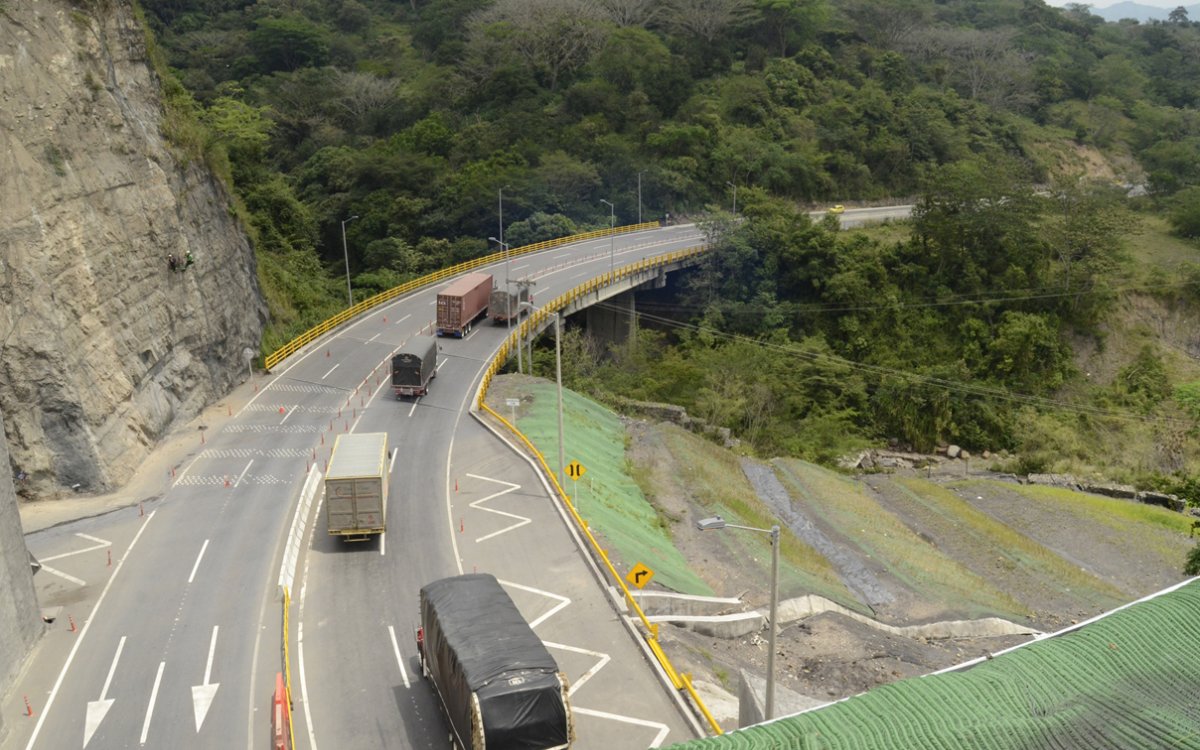
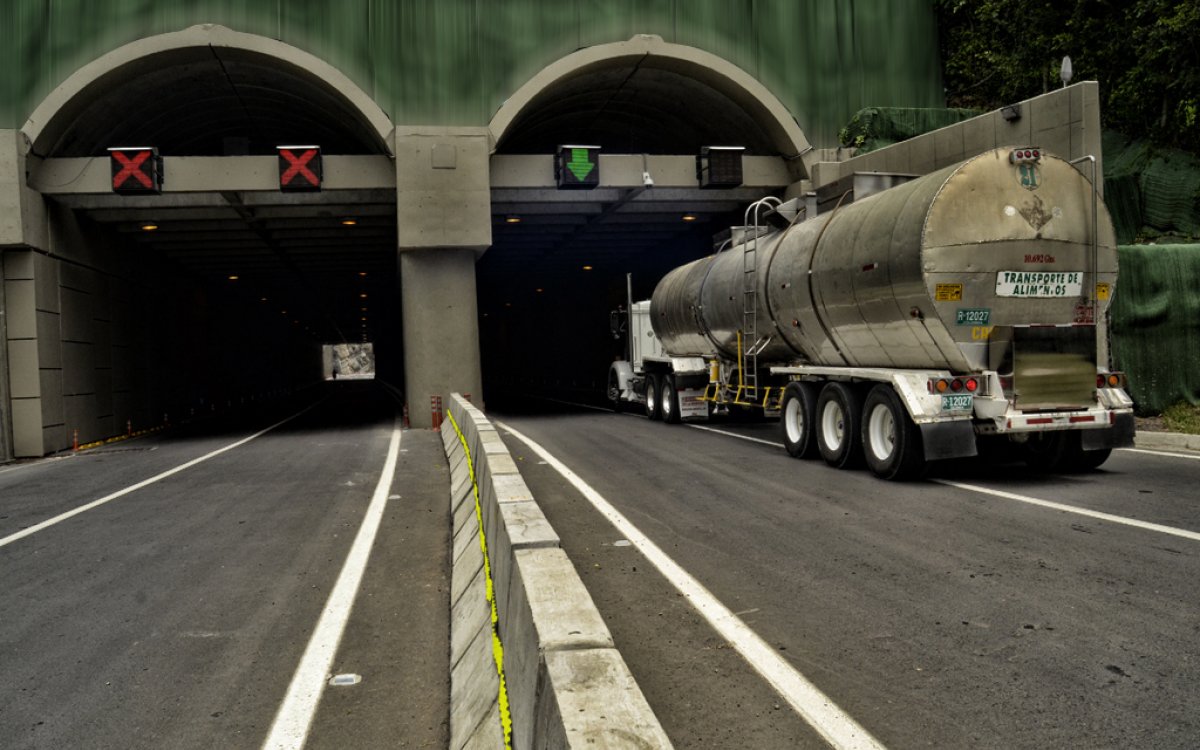
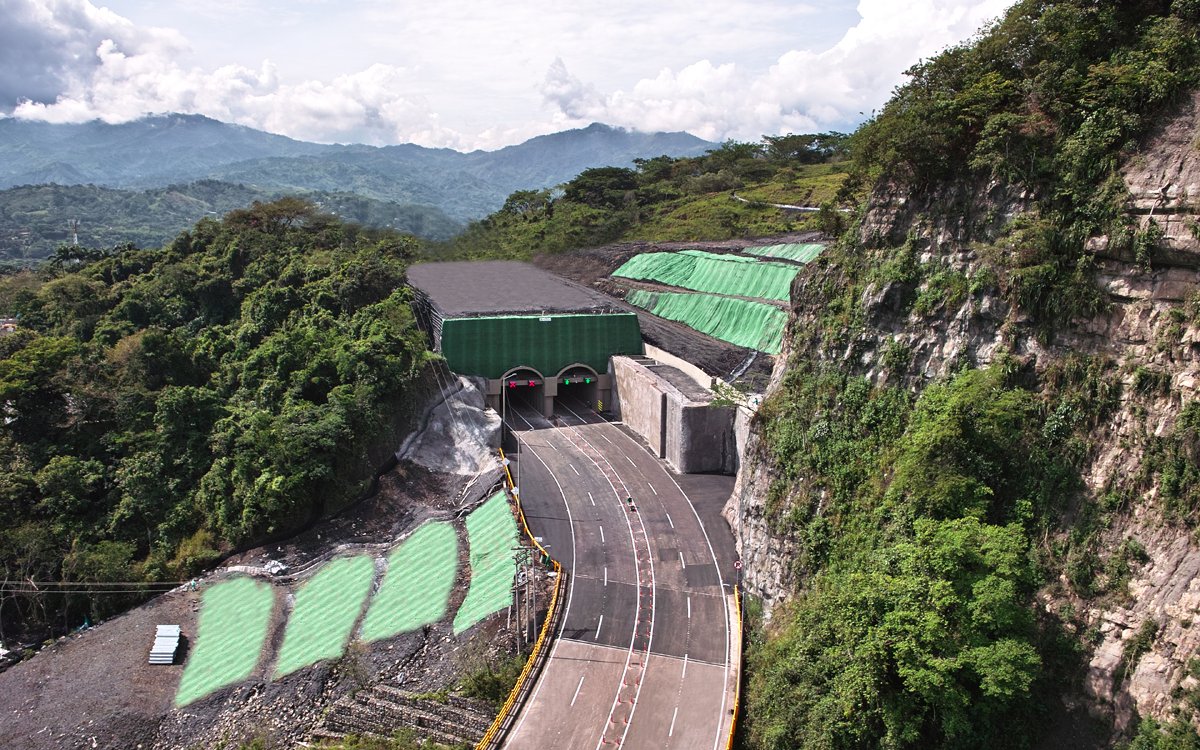
El Cune tunnel is located on National Highway 50, one of the major roads in Colombia, which connects the capital Bogota and the second largest city, Medellin. It was built between 2009 and 2010, as a solution to the geological instabilities that plagued the road at the height of Villeta, which kept this connection interrupted for 10 years.
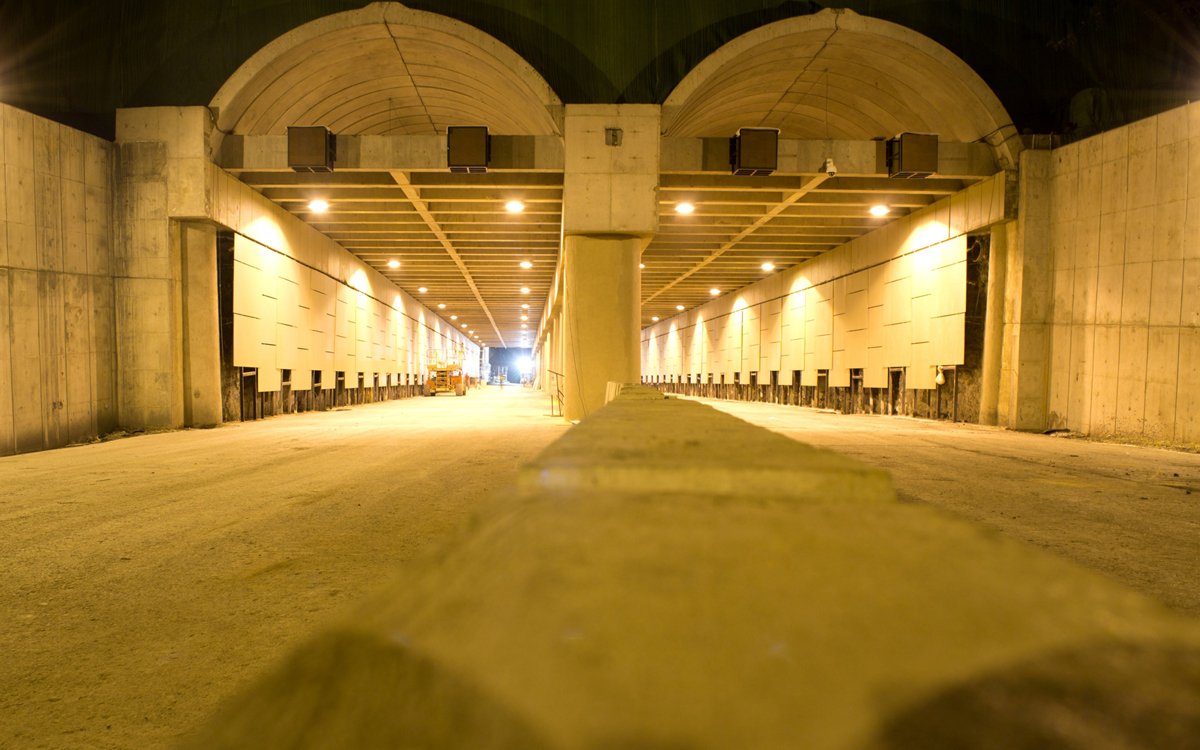
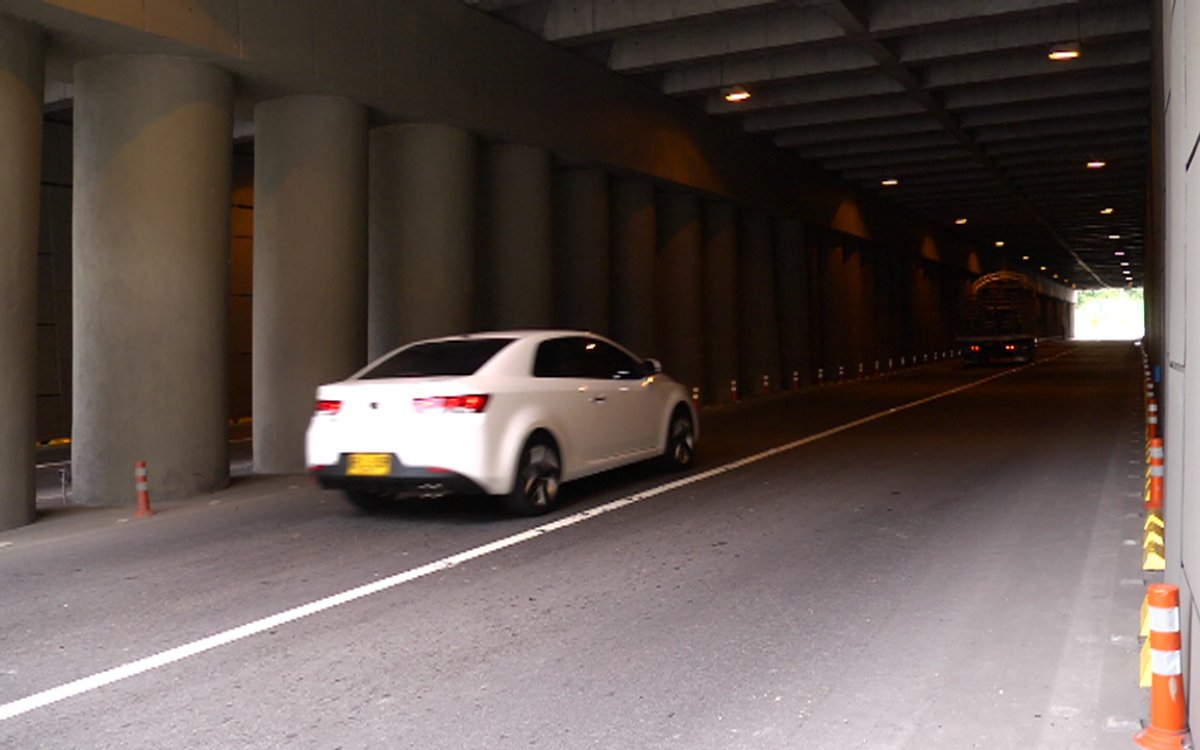
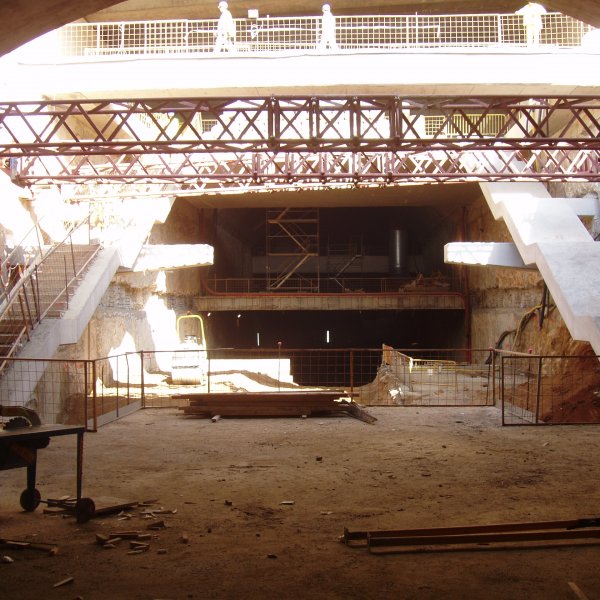
The structure is formed by a double cut-and-cover tunnel. Each roadway is 8 m wide (two lanes of 3.50 m plus two shoulders of 0.50 m). The minimum height clearance of the tunnel is 5.10 m.
Design/Construction Approach
Pedelta proposed the construction design which consists of a first row of piles with a diameter of 1.50 m and a depth of 28 m, spaced every 2 m between axes. These piles are linked at the top by a tie beam. After the first row of piles is the main structure. It is composed of three rows of piles with a 1.50 m diameter, an average depth of 18 m and 9 m respectively, and a spacing of 2 m. The piles of the three rows are integrated longitudinally by tie beams with a rectangular cross-section.
Transversally to the tunnel axis, the piles are braced at the top by a system of precast beams which are simply supported on the tie beams. The tunnel ceiling is composed of precast vaults with a semi-circular shape and a thickness of 35 cm. These vaults transfer the horizontal and vertical forces caused by the sliding and backfill on top.
The floor of the tunnel is designed as a set of transverse beams of rectangular cross-section which also brace the piles. These beams, acting together with the bottom slab, form a set of T beams that transfers the traffic loads to the piles.
It is worth noting that this structure received the national prize in engineering Julio Garavito in 2012, recognising the innovation of the design.